
When we talk about compliance, it is common to imagine it as something distant and complex, full of difficult rules and specialized vocabulary. However, the idea behind it is simple and very close to our reality: acting correctly, ethically, responsibly, and transparently.
Compliance derives from the English verb “to comply,” which means to fully fulfill what is required. Although it has technical origins, linked to risk prevention and the promotion of institutional integrity, compliance goes beyond simply adhering to standards, regulations, and laws—non-negotiable requirements of the organizational environment. Above all, it translates into a daily commitment that guides our choices and decisions, big or small. In this sense, it establishes a natural dialogue with universal Christian values, such as justice, honesty, and care for others.
When the Constitutions of the Congregation of Holy Cross state that “disciples must have not only the competence to see, but also the courage to act” (2.14), we inevitably think of compliance. Competence to see means perceiving the risks of our choices in daily institutional life. Courage to act means making responsible and consistent decisions, even when they require firmness. From this perspective, compliance ceases to appear as a mere distant control and becomes an instrument of discernment and integrity.
As a Catholic religious institution in the third sector, under current Brazilian law, with education and social assistance as the central pillars of its work, the Congregation of Holy Cross recognizes compliance as an important tool for protecting its mission, its institutional purpose, and the trust built with students, those in our care, families, employees, and society. This practice contributes to the responsible use of resources, the transparency of actions, and the creation of safe, fair, and respectful environments, strengthening the coherence between values, discourse, and institutional practices.
From a technical standpoint, compliance establishes guidelines, processes, and responsibilities that contribute to risk reduction and support ethical decision-making. In the day-to-day operations of the Congregation of Santa Cruz, it manifests itself in simple, objective actions, integrated across governance, management, and operations, such as respecting institutional processes, acting fairly, safeguarding the confidentiality of information, avoiding conflicts of interest, and seeking guidance whenever doubts or sensitive situations arise, thereby transforming principles into consistent actions.
Therefore, demystifying compliance means understanding that it does not create obstacles or hinder institutional action through unnecessary bureaucracy—contrary to what it may seem. It supports, guides, and strengthens institutional performance by organizing processes, clarifying responsibilities, and offering safe paths for conscious decisions aligned with the institutional purpose.
More than a set of rules, compliance presents itself as a continuous mechanism of care: for people, for the institution’s identity, for the continuity of its work, and for the mission it has undertaken. Thus, it creates the confidence to act and fosters the consolidation of a culture of integrity, responsibility, and fidelity to the values that inspire, guide, and give meaning to the work of the Congregation of Holy Cross.
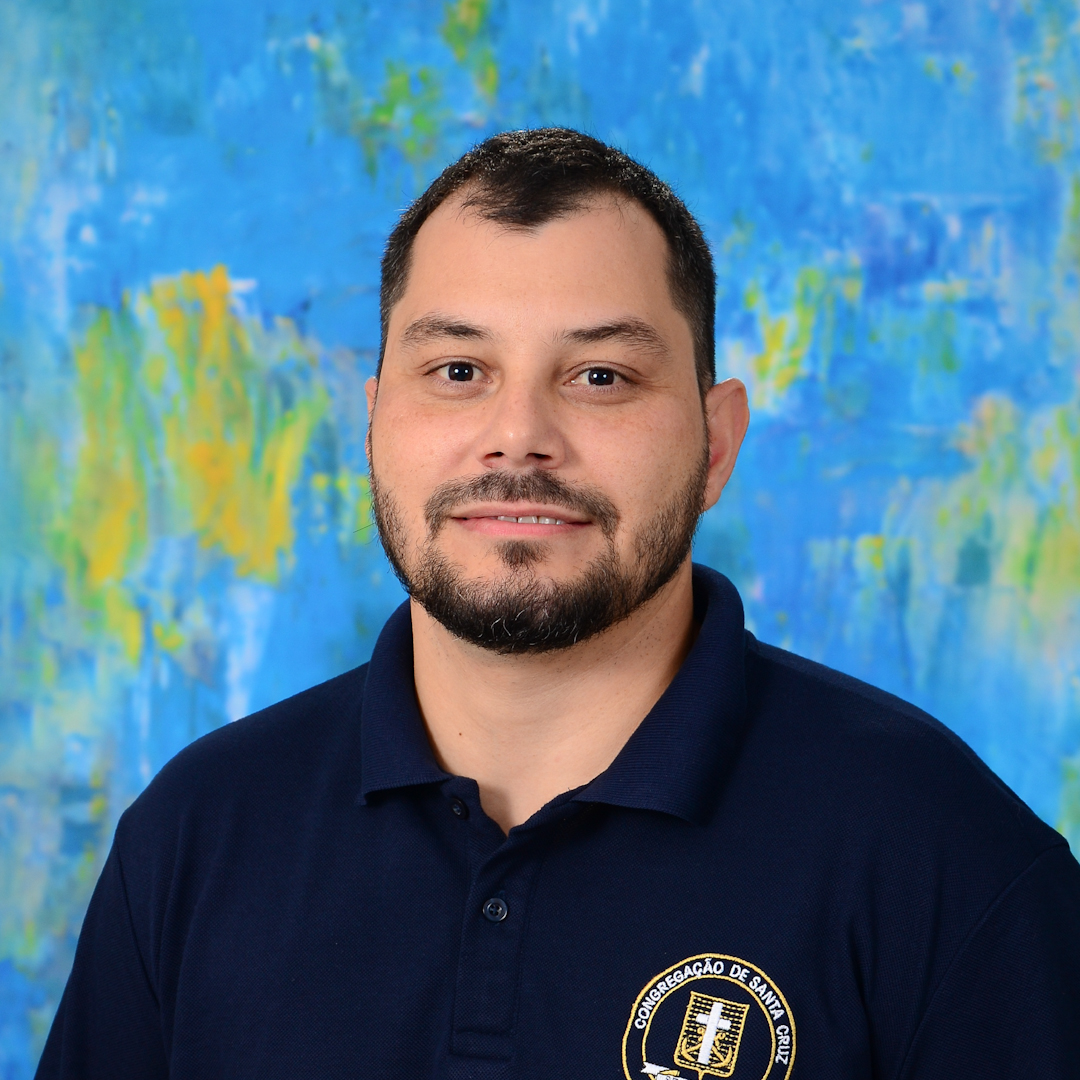
Mauro Borges da Silva
Governance and Compliance Coordinator