Tekoá: the place where children discover the world
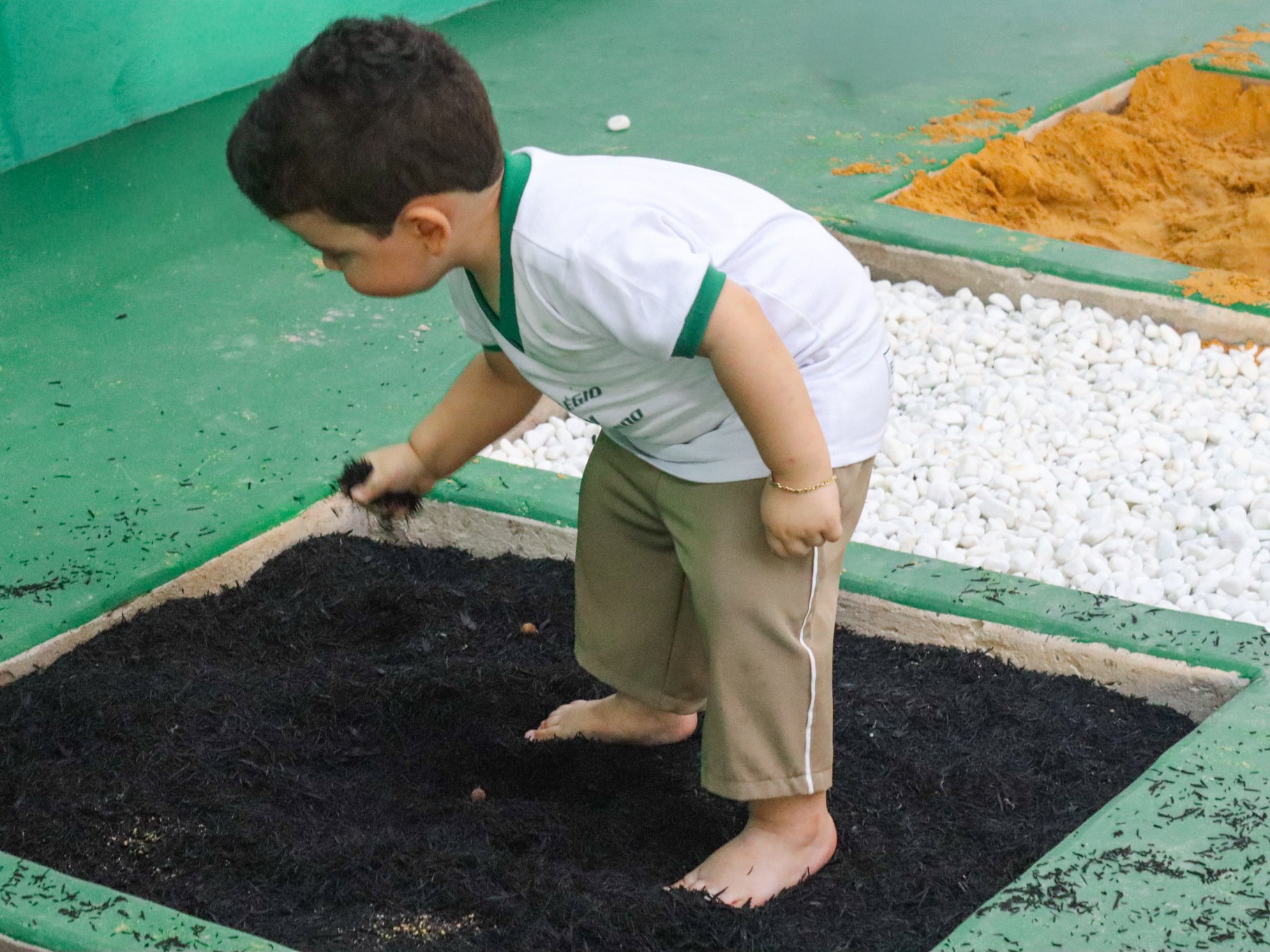
Inaugurated on May 8th, Espaço Tekoá was created to offer early childhood education students an environment where learning happens naturally, through curiosity, experimentation, and everyday experiences. Far beyond its physical structure, Tekoá fosters the development of creativity, autonomy, and the various dimensions of childhood, always respecting each child’s pace and uniqueness.
From Guarani, the name Tekoá means “the place where we are who we are.” This choice reflects the school’s commitment to valuing cultural roots, cultivating respect for differences, and instilling, from an early age, a sense of care for life and nature. Inspired by Pope Francis’s encyclical *Laudato Si’*, the school also invites children to develop a sense of responsibility and care for our Common Home.
At Tekoá, playing, exploring, and discovering are part of the learning process. Each experience broadens knowledge, strengthens independence, and contributes to the development of creative, confident individuals who are attuned to the world around them.
Field research brings students closer to the Amazon’s treasures
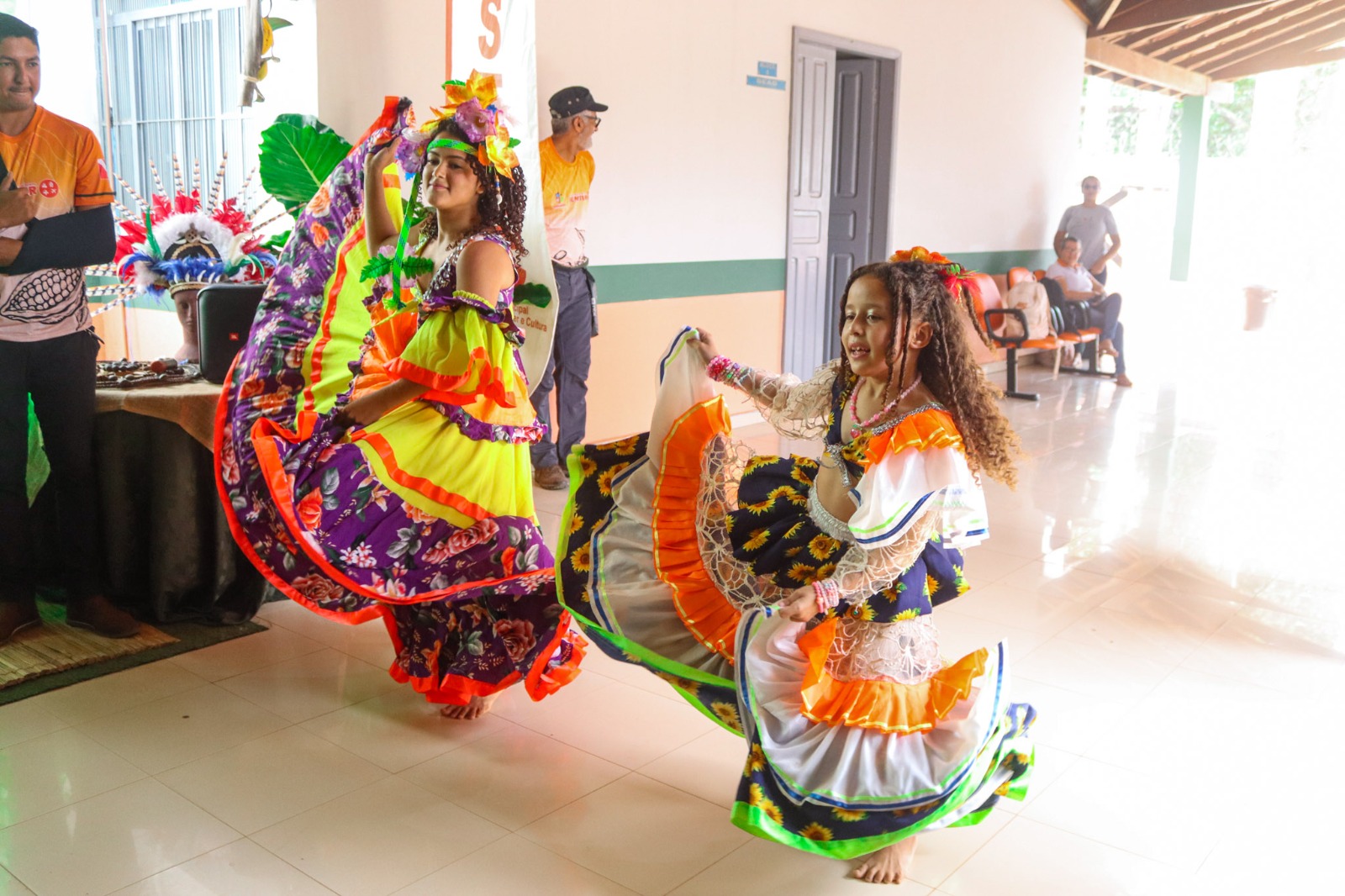
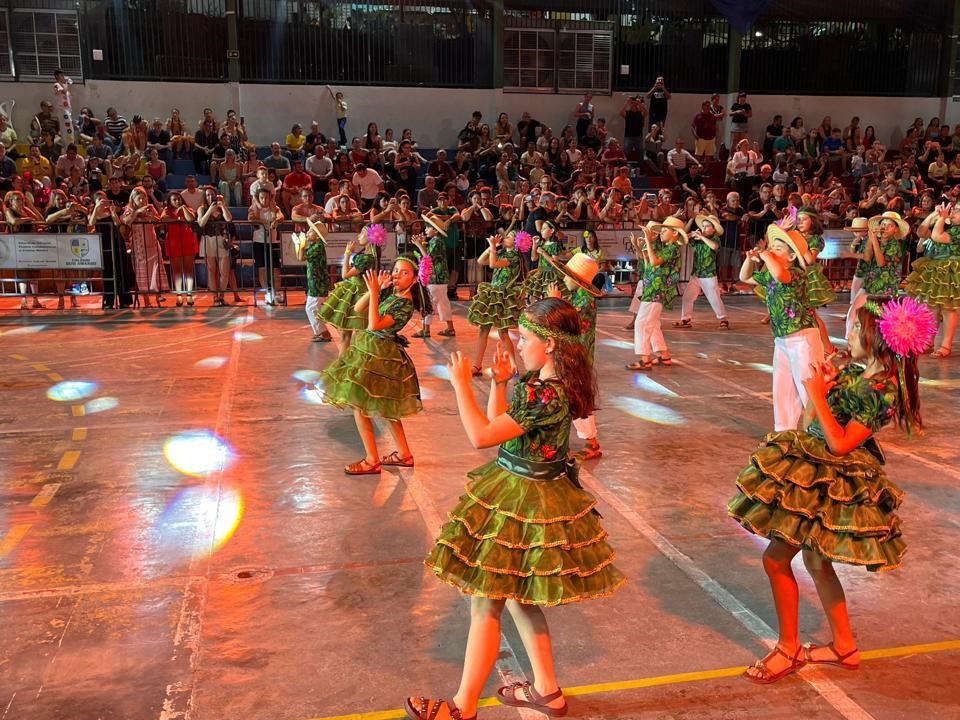
While the little ones explore Tekoá, elementary and high school students keep alive a tradition at Colégio Dom Amando: the field research projects that precede the Folkloric Festival. This year, the 54th edition of the event, scheduled for August 20, 21, and 22, will have the theme “The Amazon: a home where cultures meet.”
As part of their preparations, the classes visited different communities in the region. The 1st-year high school class visited Pajuçara; the 2nd-year class went to Aramanaí, in the municipality of Belterra; the 3rd-year class visited Uruará; 6th- and 7th-grade students visited the community of São Brás; and the 8th- and 9th-grade classes explored the community of São Francisco do Carapanari.
During the visits, the students spoke with residents, experienced cultural expressions, and observed economic and social activities, immersing themselves in the richness of Amazonian culture within its natural context. These experiences enhance learning by connecting classroom content with the reality of the communities, fostering an education that is sensitive to the region’s traditions, diversity, and identity.